Why AI content eats stock for breakfast
Stock photo libraries were built for a pre-AI world. Generative models make bespoke cheaper than generic — and better. Here is why the whole category is quietly ending.
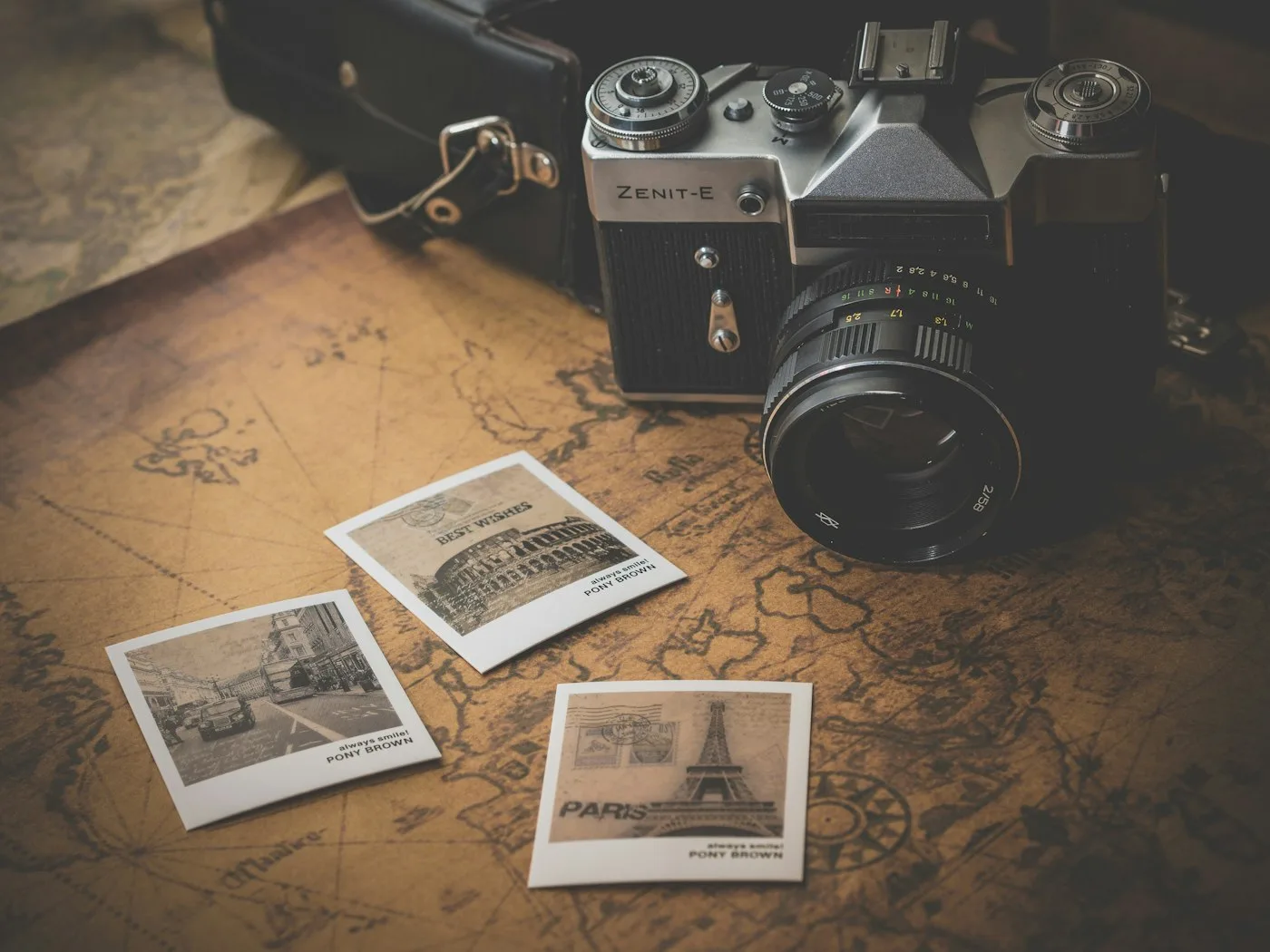
Stock photography was one of the great compromises of the last thirty years of marketing. Brands needed images. Shoots were expensive, slow, and logistically brutal. Taste, in effect, was rationed — most companies simply could not afford to be interesting at the image level, so they licensed something generic and moved on with their day.
The whole business model depended on the idea that bespoke imagery was a premium. You paid for the photographer, the set, the retoucher, the model release, the usage window. Or you paid a smaller amount for a pre-shot frame that thousands of other brands were also paying for. Those were the two options.
That compromise is over.
A generative image pipeline — tuned properly, graded properly, retouched by a human with an actual opinion — renders an editorial-grade frame in minutes. Not a mood, not a sketch, not a placeholder. A final. Tuned to your palette. Tuned to your cast. Tuned to a set you described in one sentence and will never have to build. The unit economics are so different from a shoot that comparing them on a spreadsheet is almost impolite.
But the real shift isn't the price. It's that bespoke is now the floor.
If your direct competitor is still licensing the same Unsplash frame as five other brands in your category, they're doing the expensive thing — diluting their brand — and somehow also the cheap thing. They're losing twice. And because feeds move faster than quarterly marketing plans, every week they stay on stock is a week their audience is being trained to see them as interchangeable.
What stock is still good for
We still use stock every day. Just not as output.
- As reference for models: a stock image can be a near-perfect conditioning input. "Light like this, wardrobe like this, composition like this." It gets the model into the right neighbourhood, then we push past it.
- As moodboard fuel: we build reference decks from stock libraries to align on direction before a single render.
- As test data: when we're evaluating a new model or pipeline, stock is a known baseline. If our output looks worse than the reference stock, we haven't earned the right to ship.
What stock is *not* good for: going on your feed unmodified. If you wouldn't put a competitor's logo on it, don't put their shoot on it either.
What actually changes in the brand
When bespoke becomes affordable, a few things happen that the finance team usually doesn't predict.
First, the number of campaigns goes up. Not because marketers got more ambitious — because the cost of an experiment dropped. A brand that shipped four campaigns a year now ships twelve, and the better three outperform what the four used to do combined.
Second, the tone gets weirder. Stock libraries have a center of gravity: smiling, generic, safe. When you can render your own frames, you stop gravitating toward the average because the average is free and boring. You move toward whatever actually sounds like the brand.
Third — and this is the one we didn't expect — internal reviews get faster. There's no longer an emotional attachment to "the shoot we paid $40,000 for." If a render isn't working, you kill it without ceremony and re-prompt. The whole culture of feedback changes.
The uncomfortable part
The part nobody in the stock business wants to say out loud: the better the generative tools get, the more obvious the old photos look. Not dated — just un-bespoke. You can feel that an image was chosen from a library. It has the slightly-too-polished, slightly-too-everyone quality of something optimised to be sellable to anyone.
Your audience can feel it too. They may not have language for it. But they know.
So what should you do?
If you're a brand still running on stock in 2026, three moves:
- Audit the last ten images you published. How many could you imagine a competitor in your space licensing? Those are the ones to kill first.
- Do one campaign entirely bespoke, even if it's small. One hero, one secondary, two social cuts. Ship it. See what the response rate looks like against your stock average.
- Stop budgeting "photography" as a separate line item from "content." It's one pool now, and the inputs are creative direction, taste, and iteration cycles — not day rates and location fees.
We use stock as a reference, never as output. Your feed deserves originals, and for the first time in the history of the category, the economics don't force you to choose.