Our AI stack, late 2026
An honest snapshot of what we actually run, what we dropped, and what we are quietly testing this quarter — with the reasons and the receipts.
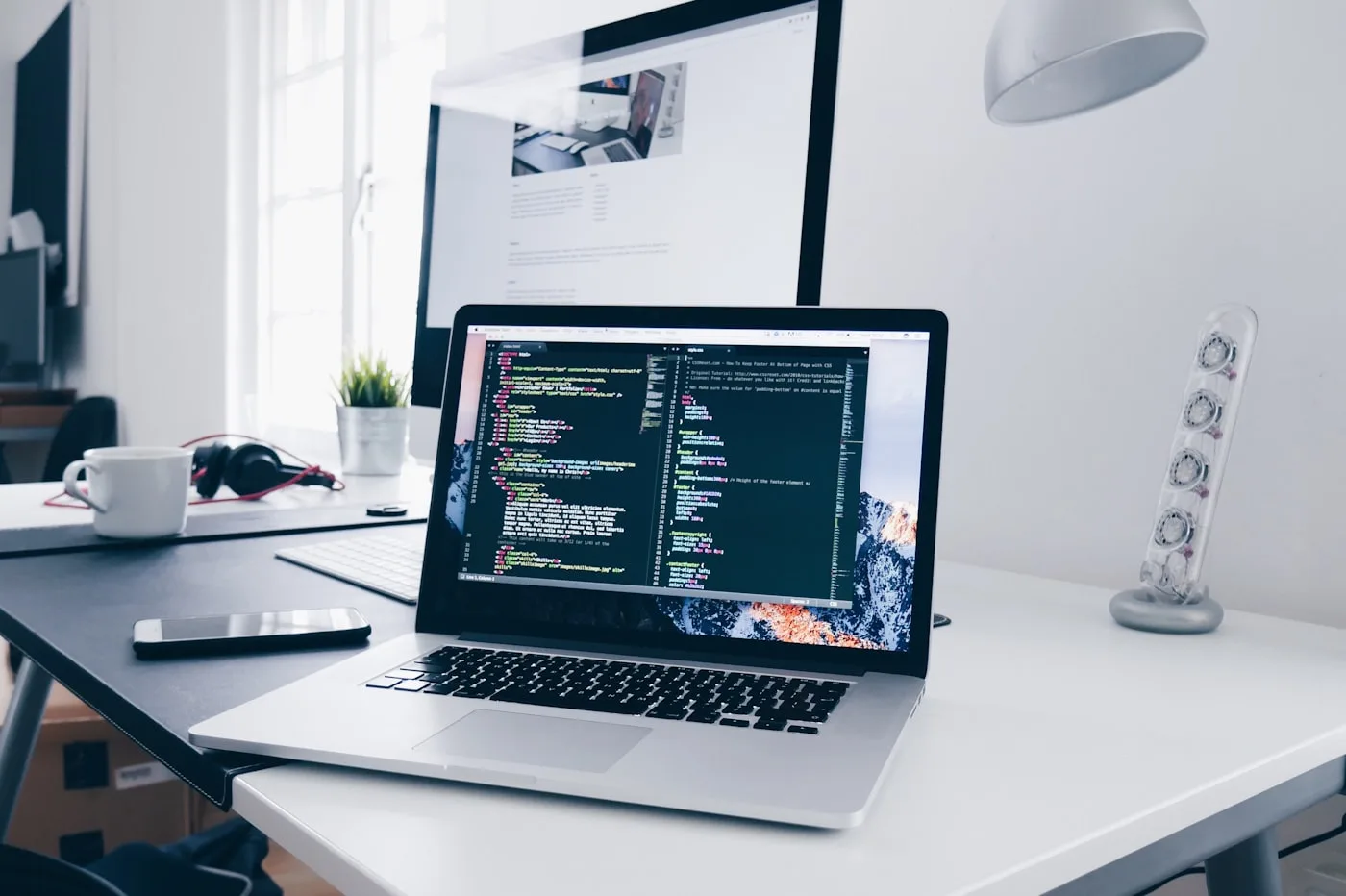
We get this question in almost every sales call: "What's your stack?" The answer changes every quarter, because the tooling is still moving fast enough that what was canonical in March is retired by September. What follows is the snapshot as of late 2026. If you're reading this much later than that, assume at least a third of it is out of date.
A stack isn't a shopping list. It's a set of decisions, each one tied to a use case and a reason. So rather than just listing brand names, here's what we run, what it's for, and why it beat the alternatives we tested.
Daily drivers
These are the tools that touch almost every job that comes through the lab.
Higgsfield — camera moves. When a scene needs a specific camera behaviour (pull-in, orbit, dolly, parallax), Higgsfield's motion controls beat every other tool we've tried by a margin that still surprises us. Text-to-video models can approximate camera moves by prompting them in, but the output is unreliable. Higgsfield treats the camera as a first-class parameter, which is how we think about shots anyway.
Midjourney v7 — stills and moodboards. The image quality is the best we have, especially for editorial and fashion work. We use it for hero stills, for reference decks, and — this is important — for generating inputs that feed into video pipelines. Most of our video work starts with a Midjourney still as the conditioning image.
Kling 2.0 — longer narrative clips. When a client needs 10+ second takes with coherent motion and physics that don't fall apart, Kling is where we go. It's not always the prettiest model, but it's the most *reliable* for narrative work, and reliability at length matters more than peak quality at a two-second clip.
Nano Banana — surgical edits. Google's Gemini-based editor is our scalpel. When we have a near-perfect frame and need to change one thing — a wardrobe colour, a prop, an expression — Nano Banana produces edits that are consistent with the rest of the frame in a way that no other editor has matched. It's also *fast*, which matters when you're iterating thirty versions of the same hero.
Finishing
This is where the AI outputs stop being AI outputs and start being a finished campaign.
Photoshop — retouch. Still Photoshop. Still won't be replaced soon. Everything we ship goes through a human retoucher, whether it's a one-hour pass or an eight-hour pass. The AI-first pipelines that try to skip Photoshop end up looking AI-first, which is a compliment nobody should want.
Lightroom — grade consistency. We grade every campaign to a shared profile. Lightroom is the tool for that. Every frame in a campaign gets the same grade applied, with per-frame overrides where needed. This is the single most important step for making a campaign feel like a campaign instead of a collection of images.
DaVinci Resolve — motion colour. For video work, Resolve does the same job Lightroom does for stills. Node-based grading, consistent looks, and the flexibility to do per-shot adjustments without breaking the campaign-wide feel.
Audio
Overlooked by most AI shops. We don't skip audio.
Suno — scratch scores and final music. Originally we used Suno for scratch tracks. These days, a surprising number of campaigns ship with Suno-generated music as the final track, because it's good enough and because we can iterate the music the same way we iterate the visuals. A whole new dimension of the work opens up when the score isn't a licensing constraint.
ElevenLabs — VO and multilingual dubs. Voice cloning, brand voices, and — critically — lip-synced translations. A brand can now ship a video in English, Arabic, French, and Mandarin from a single shoot, with voice continuity across all four. For GCC brands with global ambitions, this has changed the economics of launching in multiple markets.
Active testing
What we're running through real jobs this quarter to see if it earns a daily-driver slot.
Luma Dream Machine. Keeps surprising us. For a specific class of fluid, photoreal motion — product motion, fabric motion, liquid — it produces results that are hard to match anywhere else. It's not a full replacement for Kling, but it has a specific lane it dominates.
Runway Gen-3. We still use Runway for the prestige jobs. When a client wants the "looks like a film" aesthetic and we have the budget for the iteration cycles Runway demands, it's the call. It's not our default because the iteration loop is slower than Kling, but the peak quality is still among the highest.
HeyGen. For specific use cases — talking-head avatars, multilingual explainer content, CEO messages that need to land in six markets — HeyGen has quietly become indispensable. We don't use it for brand-level creative, but for always-on content at scale, it's on the roster.
Captions. AI-driven talking-head editing and auto-captioning. Creator-grade polish for vertical social. Most of our client social content goes through Captions at some point.
What we dropped this quarter
Being honest about tools that didn't survive:
- Several prompt-pack subscriptions. None of them delivered consistent brand-aligned output (see our "prompt is not a style" post).
- Two image editors that were briefly promising but produced visible artifacting in shadows.
- A text-to-video model we won't name that produced gorgeous output in the demo and mediocre output in actual use.
What never leaves
The boring tools. Figma for briefs and decks. Notion for internal knowledge. Slack because our clients live there. GitHub for the prompt library. A shared Dropbox folder that will probably outlive all of us.
The honest meta-point
The stack is never fixed. Every tool on this list is under review every quarter, and the ones we've relied on for three years could be gone by the next snapshot. What's fixed is the *philosophy*: pick the best tool for the specific job, blend them through a taste pipeline, don't get loyal to any single vendor.
The stack is a shopping habit. The work is the thing.